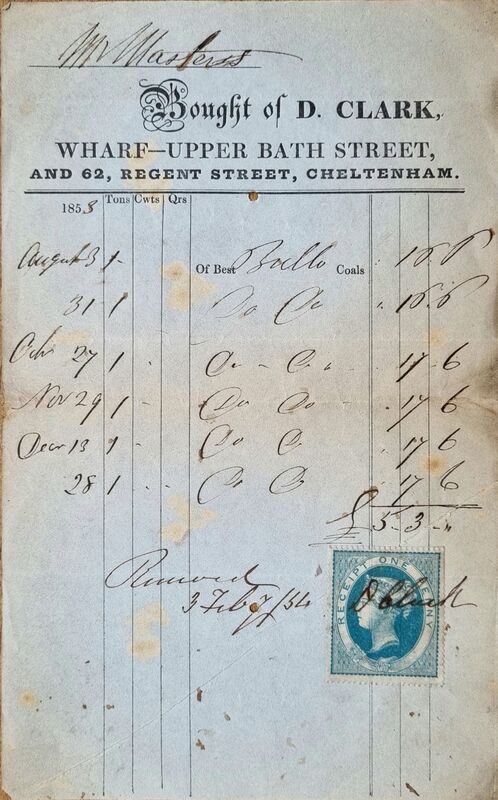
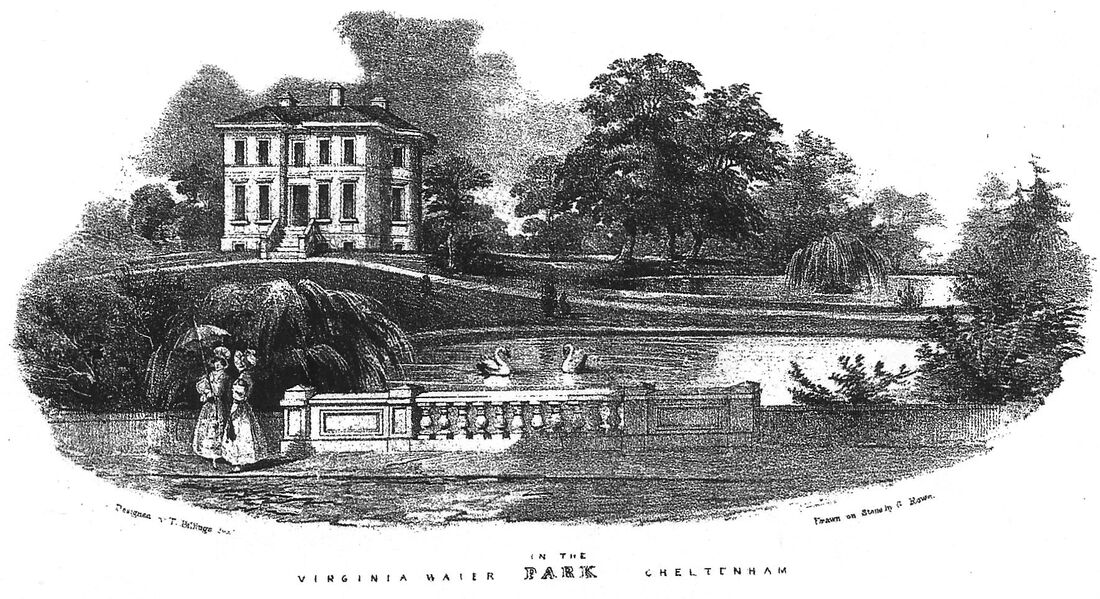
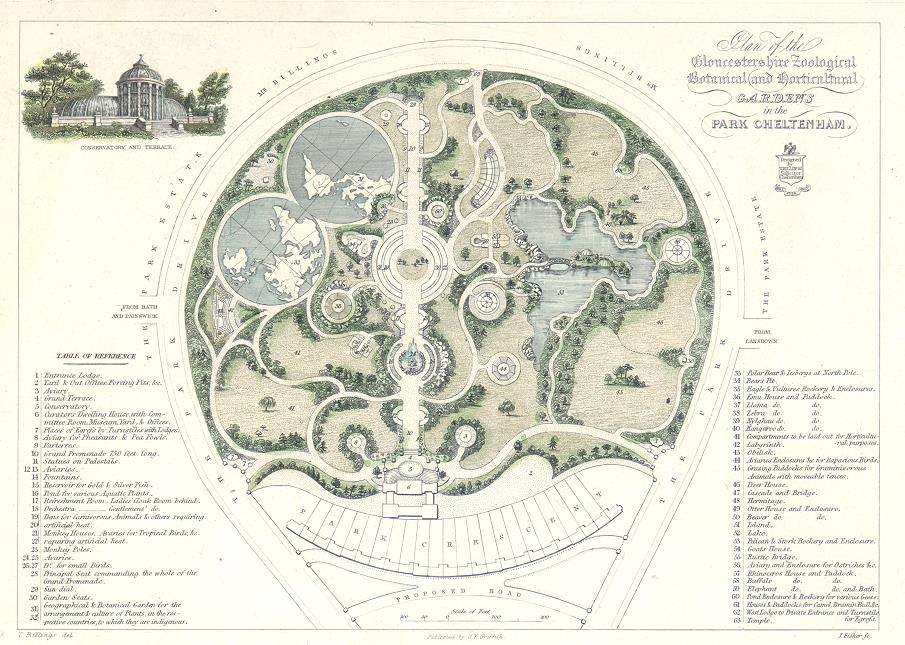
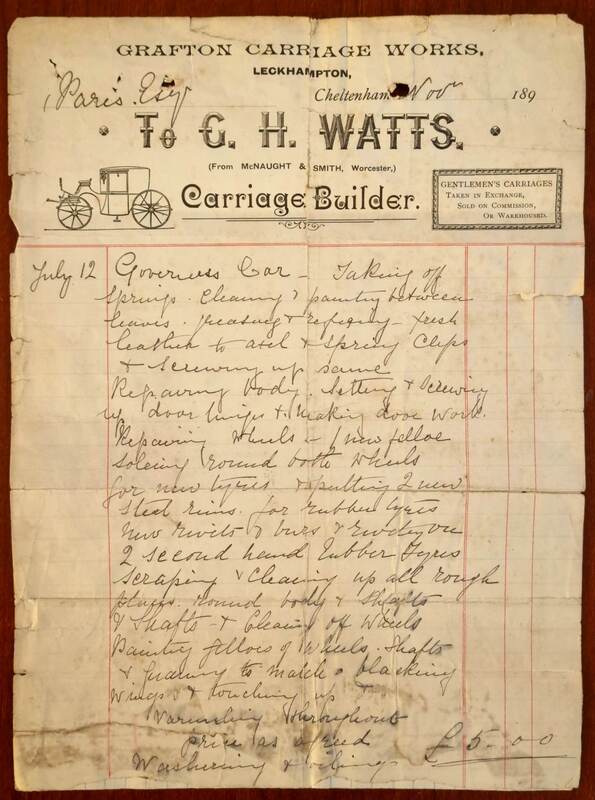
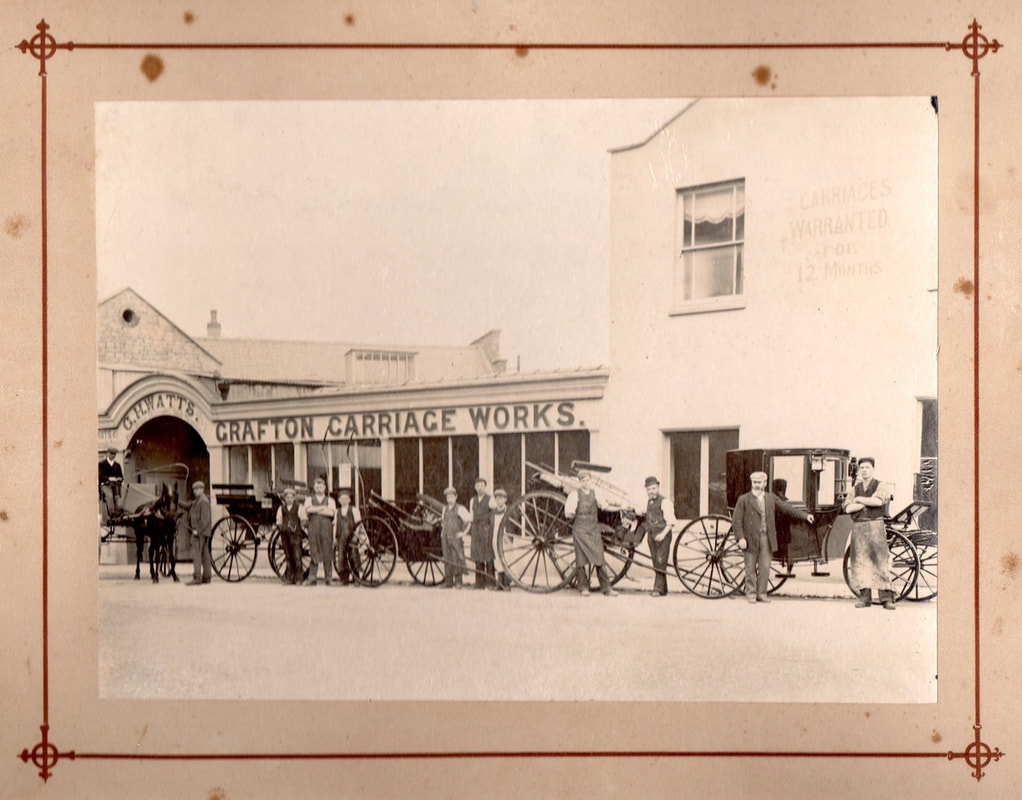
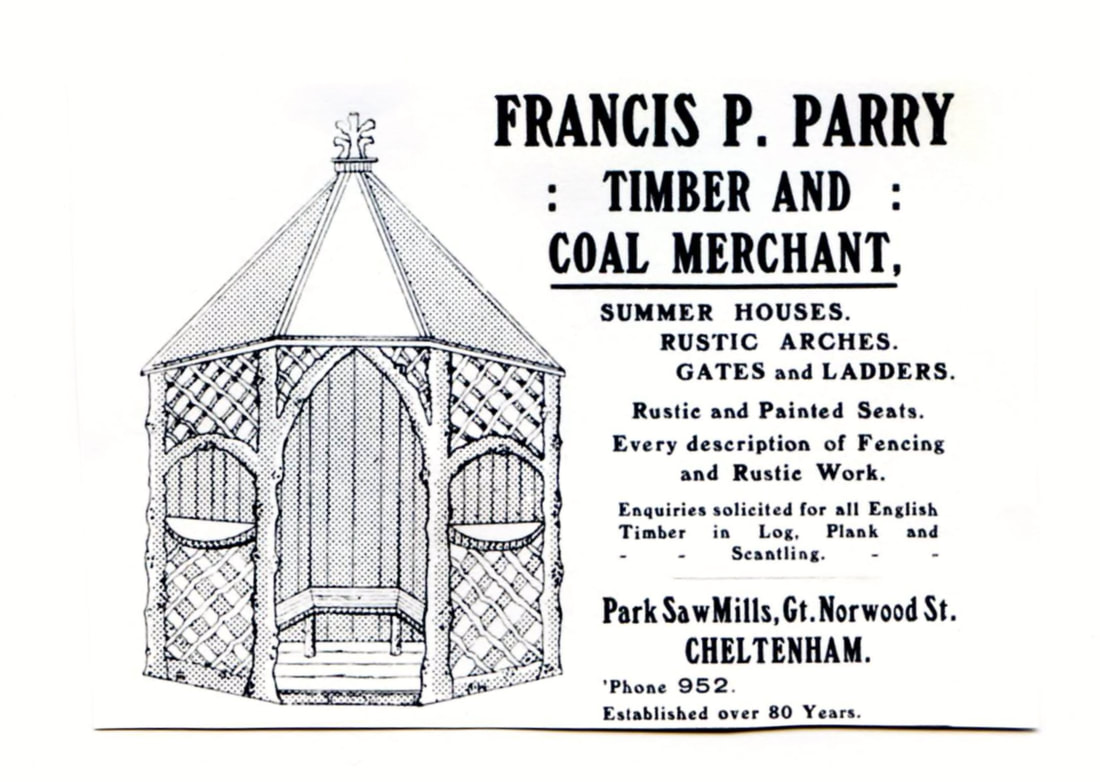
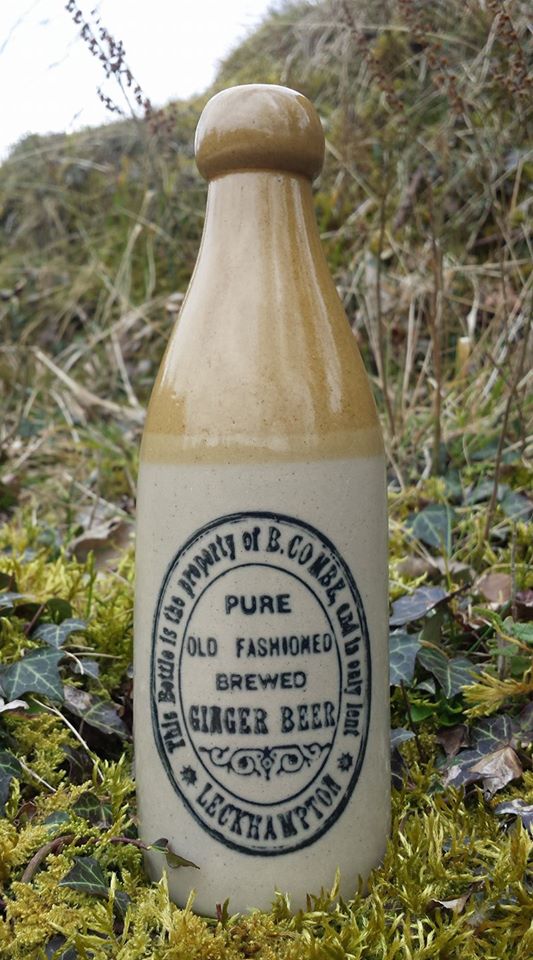
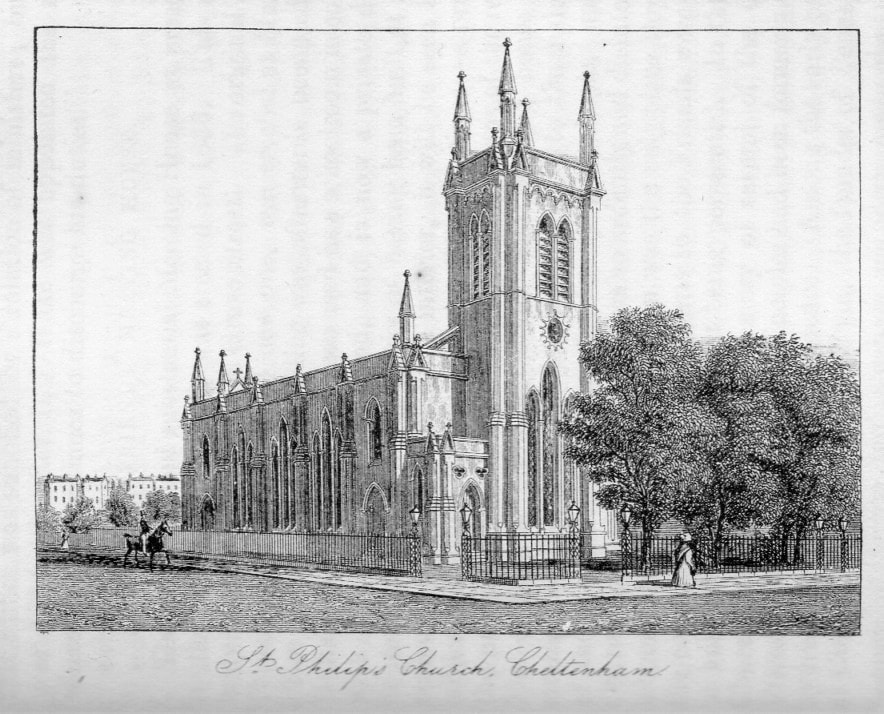
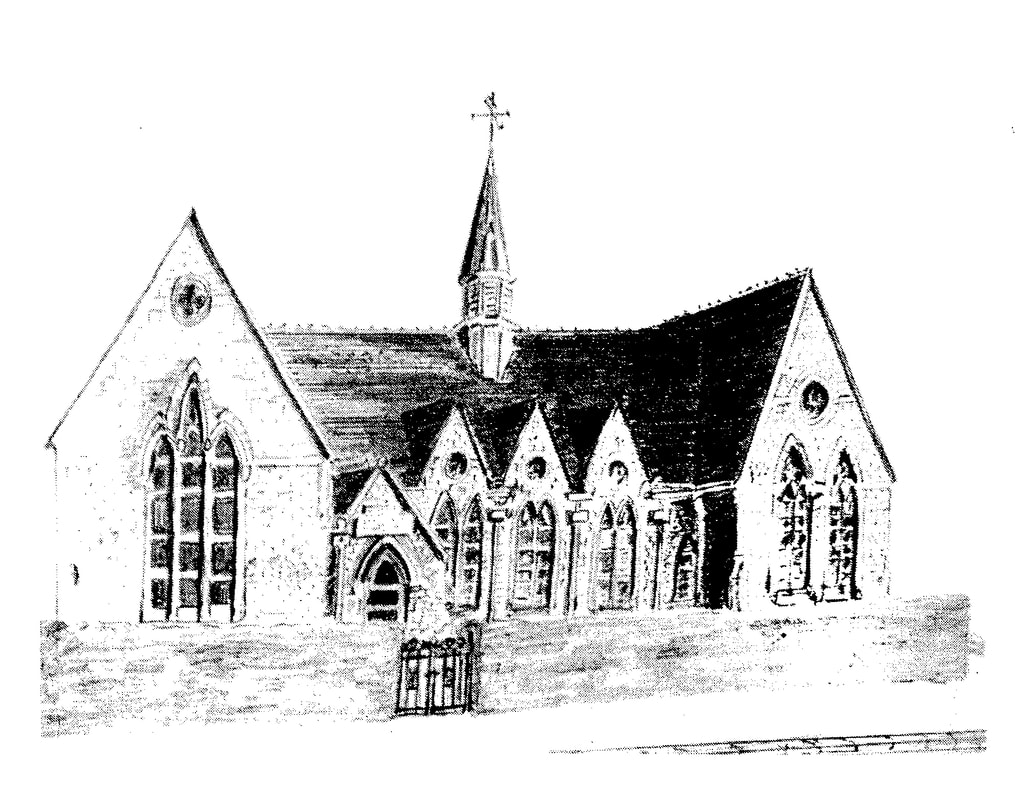
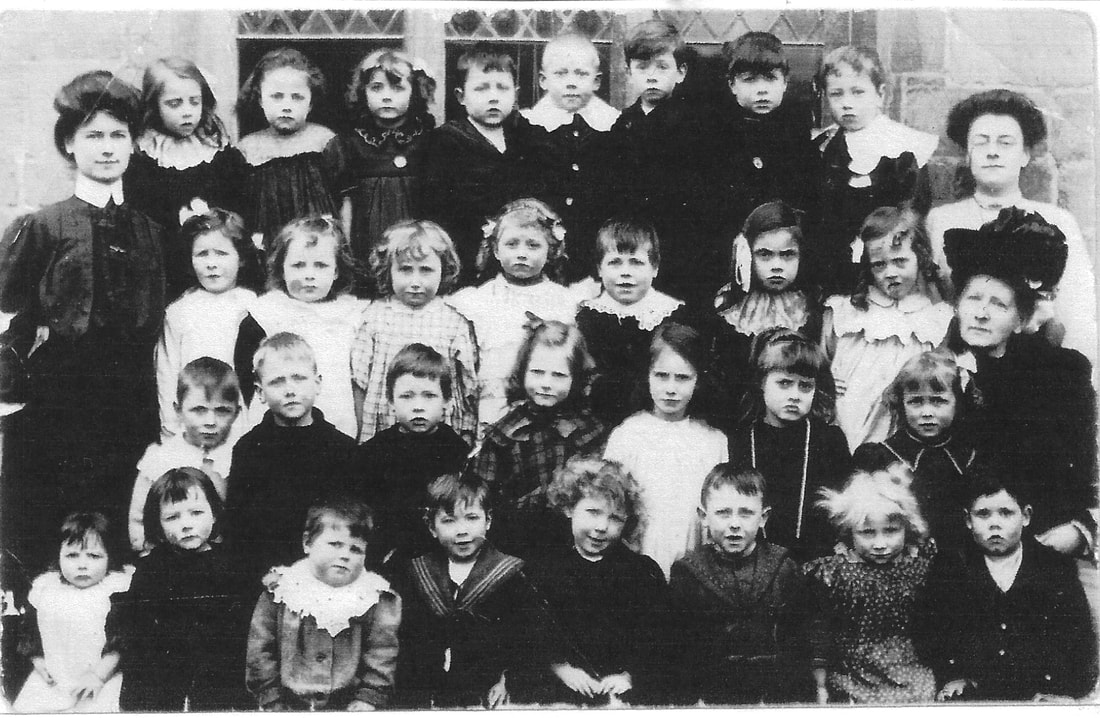
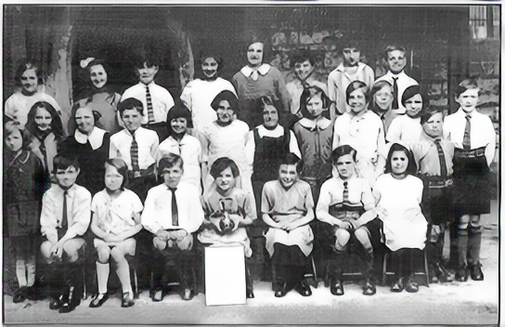
By the mid 1840s the area around the Upper Bath Road had acquired an almost fully urban character, with mostly modest housing, numerous shops, artisan bakeries, brew houses, inns, workshops, stonemason’s yards, coal and timber wharfs with their horse stabling, and churches and schools. Trade and commerce were largely driven by servicing the villas and mansions in The Park, by supplying goods and services to Cheltenham College and by the flow of materials on the Leckhampton tramroad, which still cut through the streets, contributing to the general air of bustle and activity.
Developments in Leckhampton
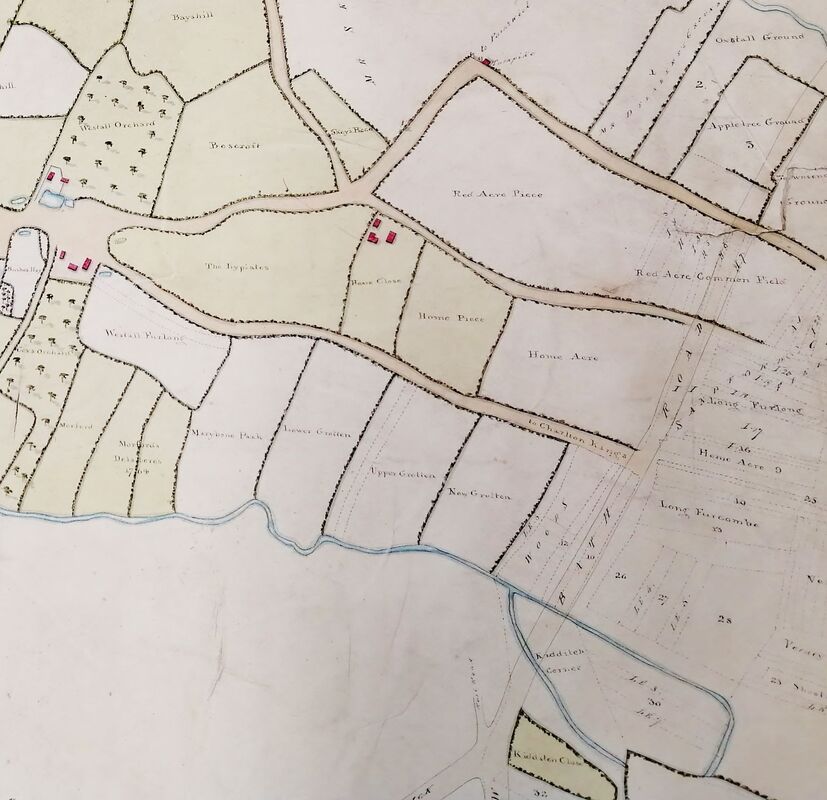
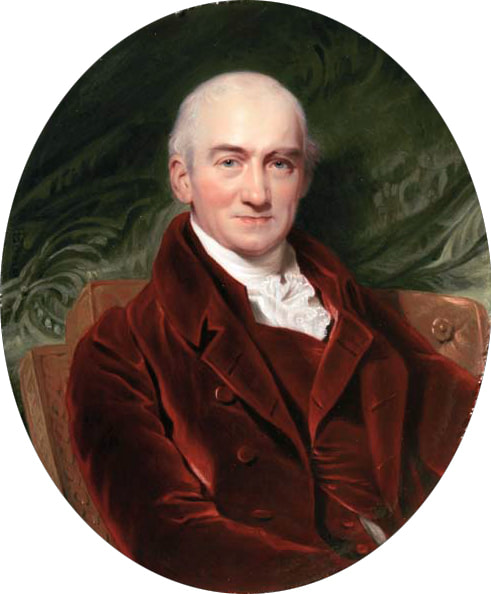
Charles Brandon Trye, a senior surgeon at Gloucester Royal Infirmary, inherited the Leckhampton estate from his cousin Henry Norwood in 1797, including most of his ancestral lands south of the Westall Brook. In around 1800 he purchased from the Delabere estate the fields of Gallipot farm named ‘The Grottens’, upon which Great Norwood Street was later built. A shrewd businessman, C.B. Trye recognised that stone from the Leckhampton quarries would be in demand to build Cheltenham. In 1810, when the land was still undeveloped, he built a tramroad link from the quarries which punched through the fields and hedgerows of Moorend, Gallipot and Westall farms. In 1811 it connected with the new Gloucester and Cheltenham Tramroad, terminating at Gloucester docks.
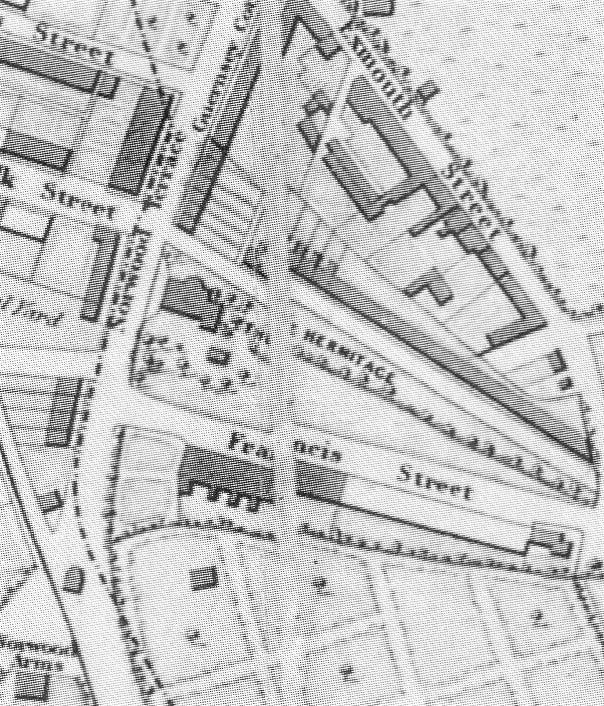
In the early days there was a stone depot called ‘Old Grotten’s Wharf’ on a short tramway spur that led to Suffolk Road from the main branch line at the Norwood Triangle. This spur line later formed the route of Great Norwood street.
The tramroad preceded the streets laid along its route, including Leckhampton Road, Norwood Road, Andover Road and Queen’s Road. This, together with the pattern of land ownership, and the layout of the fields and streams and farm tracks, had a powerful effect on the way that South Town evolved. Follow the link here to find out more about the tramroad.
Charles Brandon Trye died in 1811 and his wife Mary ran the estate for a few years until their eldest son, Henry Norwood Trye, came of age. Unfortunately Henry entered into various unprofitable business ventures, leading to large debts. From the early 1820s he was obliged to sell some northern parts of the Leckhampton estate, where it bordered Cheltenham, and many of the properties between Bath Road and Park Place were developed around this time. In 1825 Mr Trye released land to the west of the Bath Road shopping area and by 1835 the solicitor Thomas Billings and architect Samuel Daukes both owned large areas of this part of the estate.
Park Place
Park Place was the first street of housing for the gentry to be developed within the area south of Suffolk Road. The section north of Ashford Road forms a straight line through the former Lower Grotten field, part of the Delabere lands bought by Henry Thompson in1801. His son, Pearson Thompson, planned and laid out the road we now know as Park Place in 1822-23. In 1824 Thompson sold the property to developers Henney & Brown, who built the first houses.
By the time of Merrett’s map of 1834 most of the northern stretch of the road was fully built-up with a fine set of smaller villas, forming terraces or separate buildings, broadly harmonious in style. This street had the finest examples in south Cheltenham of the ironwork which graces many Regency and Victorian buildings in the town.