The Suffolks │24 previous / next | main map / suffolks map
28 Suffolk Parade (formerly 12 Suffolk Parade South)
John Delabere sold the land upon which Suffolk Parade was later created to Henry Thompson, the developer of Montpellier, in 1807. The street was laid out in the next few years and in 1818 the site of modern house numbers 28-31 was leased to Mr Aaron Wills Gay, a carpenter and joiner. Then, in 1822, following the death of Henry Thompson, his sons sold this land, with a frontage of 60 feet and a depth of 92 feet, to Mr Gay. It is probable that he developed the 4 properties on the site and leased them out, having acquired a further plot at the rear of the premises in 1826. Suffolk Parade was unnamed at that time and is referred to in title deeds as a “private road”.
Aaron Wills Gay died in 1844 and all 4 properties in this row were advertised to be auctioned at the Suffolk Arms Inn. However they were eventually all acquired by private treaty by Mr John Lapidge.
He was the first of a series of traders concerned with fabrics or clothing and by 1865 these premises were run by Mrs Claridge as a Berlin Wool Repository. She also operated as a ladies dressmaker next door, at number 29, in the late 1860s.
Berlin Wool work was a form of tapestry which was associated with the city of Berlin, where the invention of artificial dyes had enabled bright colours to be created. Tapestry was a popular past-time with Victorian ladies and we may imagine that this was a form of craft shop.
By 1870 Mr Thomas Willis had established a drapers shop here and next door at number 29 but he was only here for a few years, continuing the business in the adjacent shop. There followed Mr George McCanlis, who styled himself as a Professor of Athletics and later as a Sports Outfitter and Art Teacher. The proximity of Cheltenham College seems to have encouraged the growth in a number of sports equipment and clothing shops in the area.
The next significant development was the arrival here of Mr Arthur Norman, China & Glass Dealer in about 1905. It seems probable that he was related to Mr Charles Norman who carried on the same trade in the High Street from about 1830 and this requires further investigation.
Arthur Norman, his wife and two year old child, had a narrow escape in January 1906 as a result of a fire on the premises, whilst they were sleeping. Arthur was awoken by the sound and smell of something burning in the sitting room beneath their bedroom. Finding the staircase full of smoke, he shut the bedroom door and called for help from the bedroom window. Fortunately P.C. Lawrence was patrolling the neighbourhood and had earlier noticed a ladder nearby, which he used to rescue the family, who were in their night attire on a cold winter night. The officer then ran to the Lansdown Road to alert a colleague of the fire, as there was no telephone link between the police station in Bath Road and the fire station. He then returned to Suffolk Parade to help bring the fire under control. On arrival the brigade found the fire to be at the back of the building and had to run their hose through the adjoining house belonging to Charles Barcham. The fire resulted in damage to the structure and furniture estimated to cost £70 but the family were truly fortunate to escape with their lives.
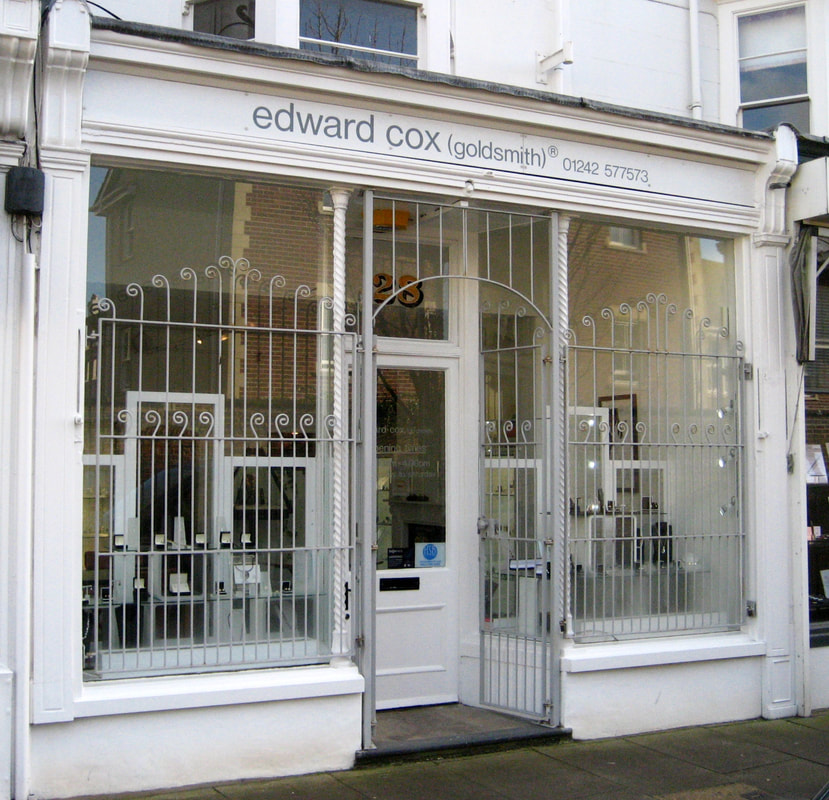
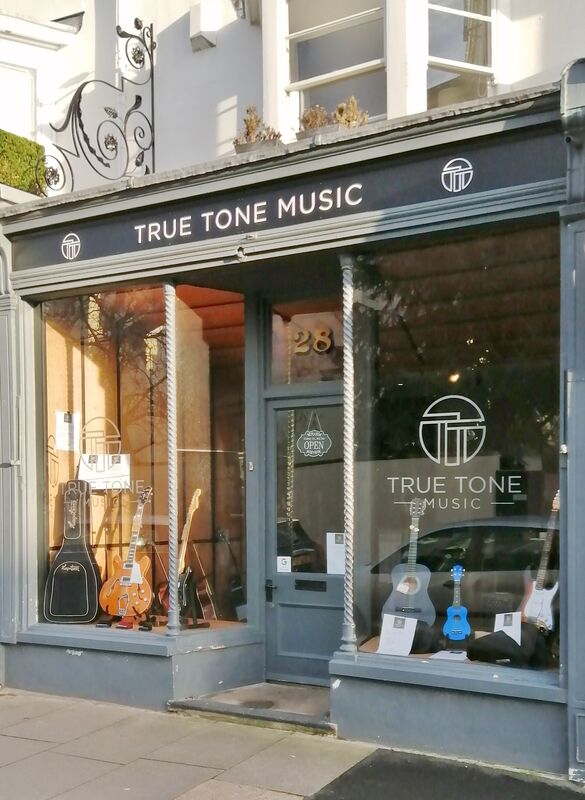
In the early years of the 21st century this shop was a goldsmiths called Edward Fox and in late December 2022 this changed when we welcomed Tom Lawrence and his guitar shop, which is called True Tone Music, offering new and used instruments as well as accessories and repairs.