Bath Road │73 previous / next | main map / bath road map
1 Leckhampton Road
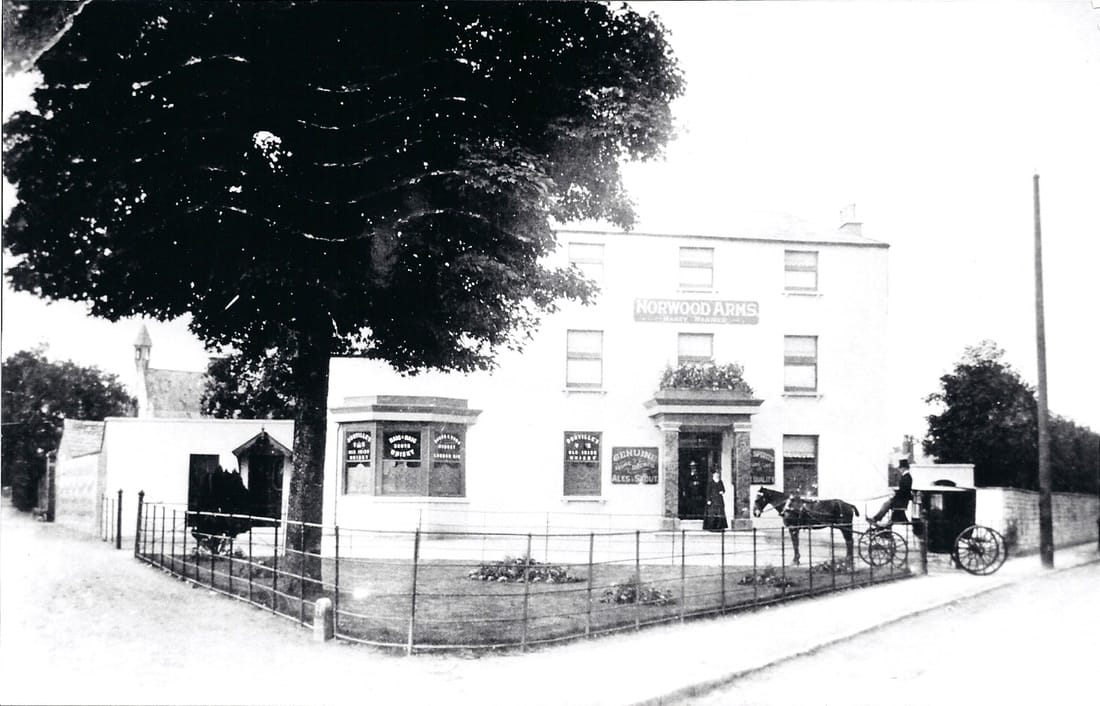
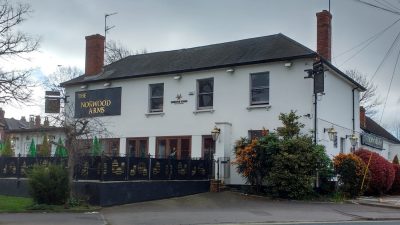
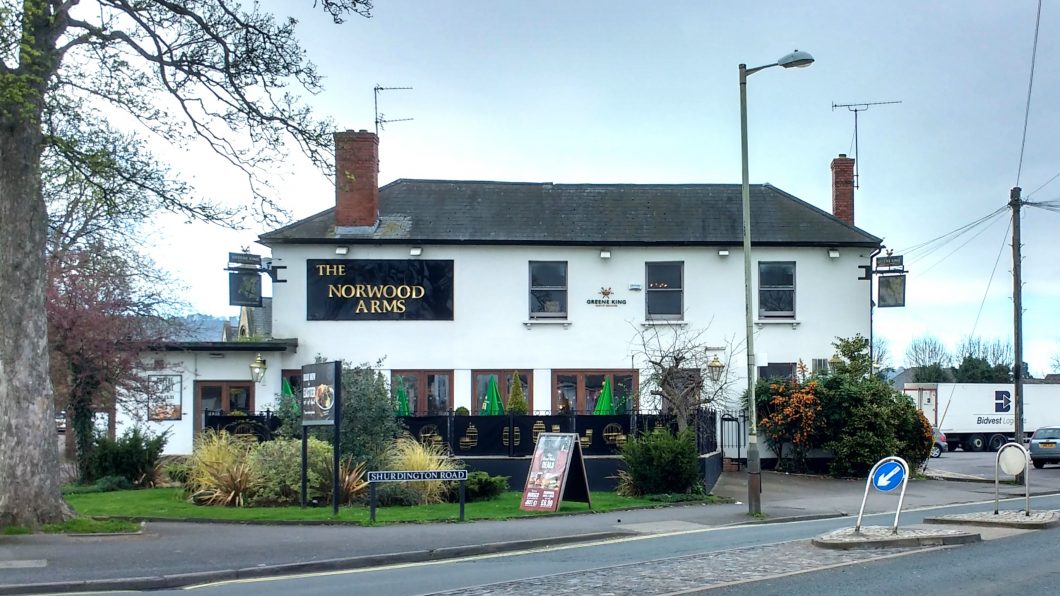
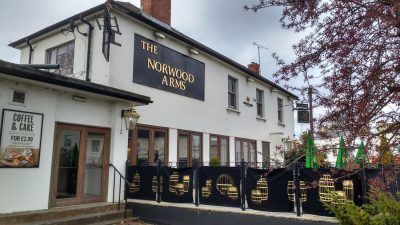
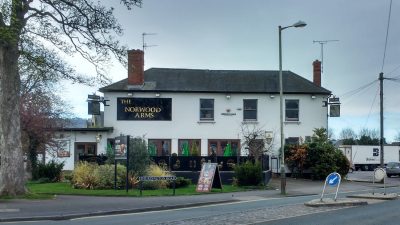
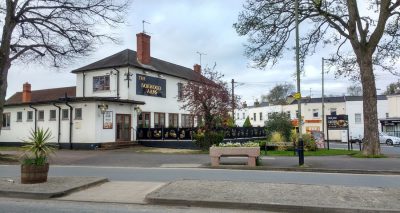
In 1810 the new horse-drawn Gloucester & Cheltenham Tramroad was connected to an existing system serving the quarries on Leckhampton Hill, before the modern street pattern was established. It passed alongside the site of the future Norwood Arms, which was built in 1821 by Samuel Kearsey of Minchinhampton, on part of a field called Breach Hill that he bought from Henry Norwood Trye. The Inn was the only house in the vicinity at the time and a beautiful stream from Leckhampton Hill flowed past it (this has since been culverted). The Inn is named in honour of the Norwoods, Lords of the Manor of Leckhampton from 1486 to 1797. At the time of building, the surrounding area would have been a mixture of fields, hedgerows, farm tracks, tram lines, busy stone yards and the odd lime kiln.
The new Bath Road from Cheltenham, which continued into what is now called Shurdington Road, was only completed in 1823 as a toll road, or turnpike. Near to the Norwood Arms were a toll house and a weighing machine for calculating the fees. The new road contributed to the southward expansion of the town and the Inn served the growing residential population and labourers in the stone yards.
It was reported in the local newspapers on 22nd February 1827 that William Burrows, one of the earliest tenants of the Norwood Arms, was fined £2 for keeping his house open during divine service on Sunday.
The Inn was a welcome stopping place for the people taking part in the traditional practice of “beating the bounds” of the large parish of Leckhampton. The Churchwarden’s accounts for the 1830s list these expenses, including 7 gallons of beer at 3d a pint! (Eric Miller)
In addition to stone from Leckhampton Hill the tramroad brought coal from Gloucester docks, and by 1837 a coal merchant’s business, J. Little & Co., was established at the Inn yard. It came to be known as the Norwood Arms Coal Yard. Until the mid 1960s it was common for houses in Cheltenham to have open fires for heating.
A peculiar form of entertainment was staged in the Norwood Arms Tea Gardens in April 1842, when Robert Sutton the “celebrated Kentish pedestrian” walked 50 miles within 12 hours, half of it backwards. Finishing the feat at half past eight in the evening, he then retired into the bar to show his friends some more of his dexterity (presumably involving a mug of beer!).
But as well as the high excitement caused by such events there were also troubling accounts of crime and drunkeness. In May 1842 Wat Fleming was fined 5 shillings after being found lying drunk across the tramway next to the Inn at half past one in the morning.
Apart from numerous auctions which were held here from the earliest days, the Inn was also a venue for public meetings such as coroner’s inquests. One such occurred in May 1845 on the body of Ann Hill, wife of James Hill, a stone mason residing in Leckhampton. It was alleged that the husband had beat his wife but this was not thought to have led to her death, which was said to have been from “natural causes”. Another, in 1848, concerned a young man called Edwin Tilly, from Edward Street, who worked at the Montpellier Baths (now the Playhouse). He had been fond of excessive drinking and had accidentally fallen into the swimming pool at the baths, resulting in a fever. He was determined to have died from delirium tremens.
Over the years other landlords were apprehended selling beer outside of the licensing hours and received small fines. There were also occasional problems with the clientele of the Inn, such as in 1862 when William Jones, who described himself as a tramp from New York, refused to pay for his drink. The landlord, Mr Henry Vines, followed him to two or three other public houses where he used the same dodge. When arrested by the police Mr Jones apparently made use of “the most disgusting language”!
Significant changes occurred in the early 1860s, firstly with the closure in 1861 of the adjacent tramway. (The owner of the quarries, Rev. C.B. Trye, retained a section of the line from the Hill as far as a wharf at Church Road, Leckhampton.) Then came the abandonment of the Bath road toll in about 1864, when the Turnpike House and weighing machine were dismantled and sold off.
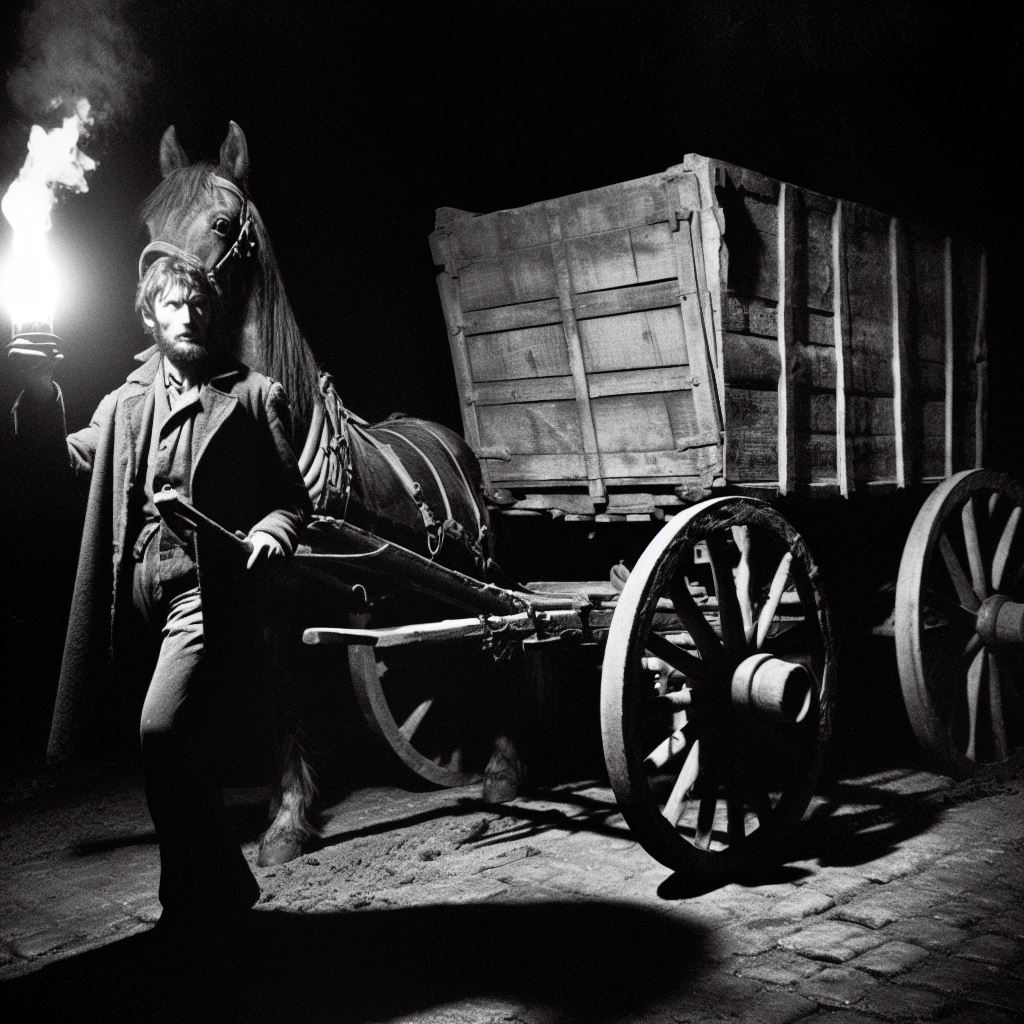
Also, in January 1864, an auction was carried out in the yard adjoining the Inn of the pews, doors, seats and interior fittings of St Philip’s church, which was undergoing a refurbishment. Later that same year an inquest at the Inn was convened to establish the cause of death of a haulier called Mr J. Packer. He had loaded his cart with 5 tons of stone at the quarry on Charlton Kings Common but the vehicle ran out of control and ran him over, killing him instantly. One of the horses was also killed and another so badly injured that it could not work again.
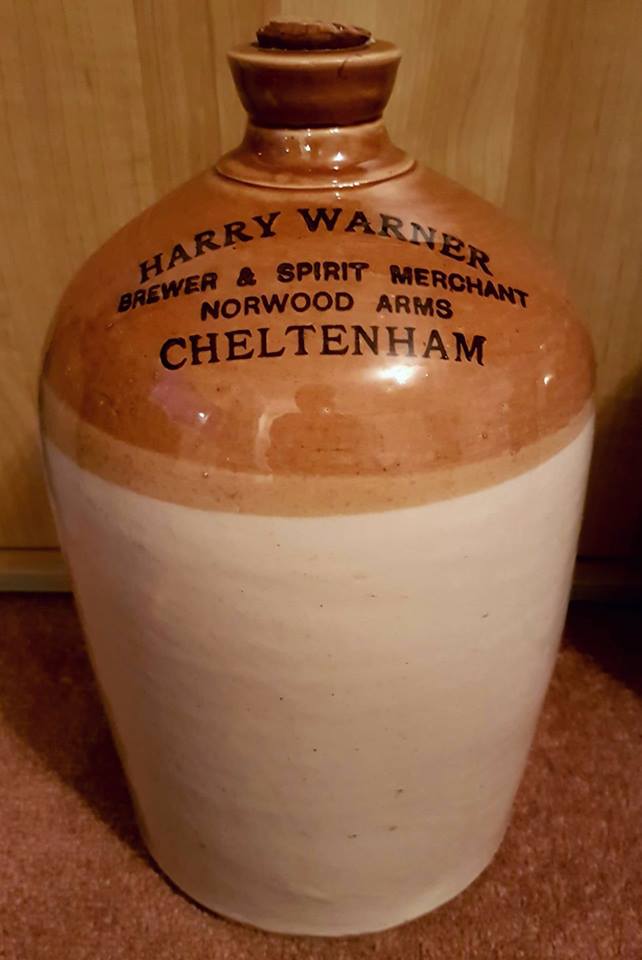
The Norwood Arms had stables throughout the 19th century and in 1882 John Smith, a haulier from Prospect Place, was charged with having stolen a truss of hay, a bundle of straw and a dandy brush (for horses) from the yard. He had a previous criminal record and was convicted and sentenced to 7 years penal servitude.
In 1884 the Ladies Society for the Protection of Animals donated a drinking trough for horses and cattle next to the Inn, although the cost of laying on a water supply was borne by the (rather dismayed) Town Council. Ironically, many years later, in 1914, Alfred Ebden of Churchdown was fined 10 shillings for kicking his horse when it refused to drink from the trough. It is still there today, having found a new use as a flower planter.
The electric tramway system was built and operated by the Cheltenham & District Light Railway Company and opened on 17 August 1901. In that year the first route to run services was from Lansdown to Cleeve Hill. Other routes operated from Cheltenham Spa railway station, Prestbury and Charlton Kings.
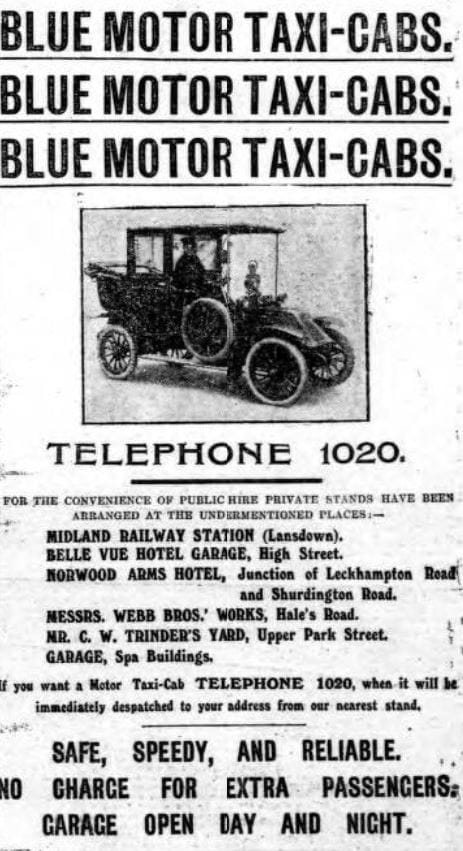
This also became a landmark meeting place for people travelling to other destinations and in 1912 the Blue Motor Taxi Cab company located one of their stands here.
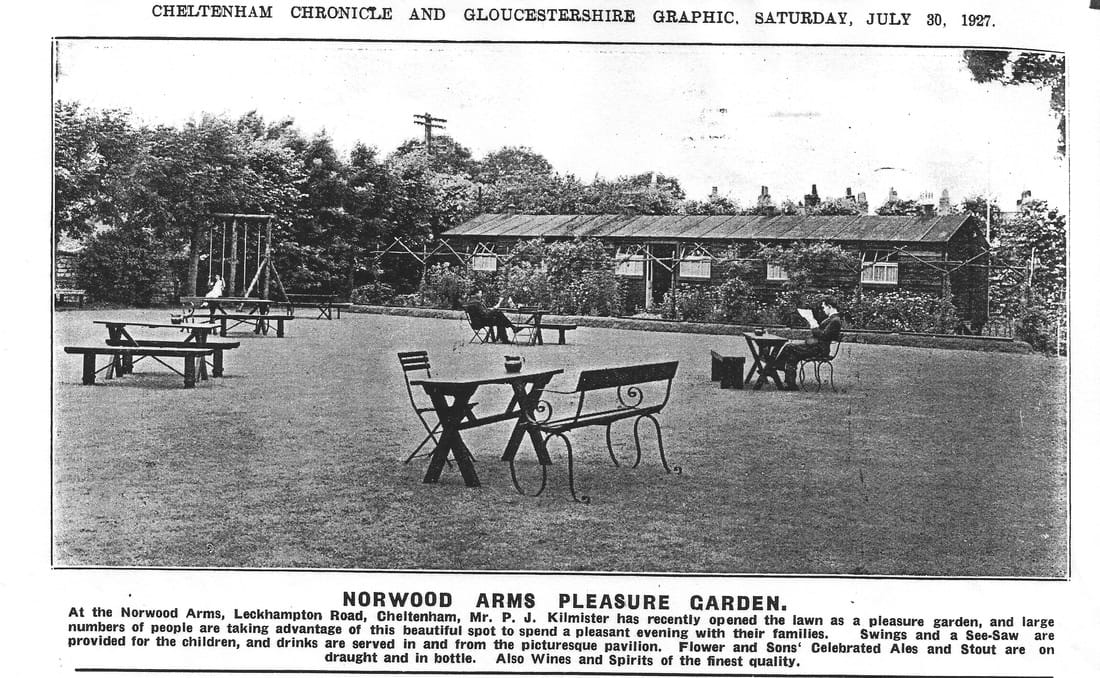
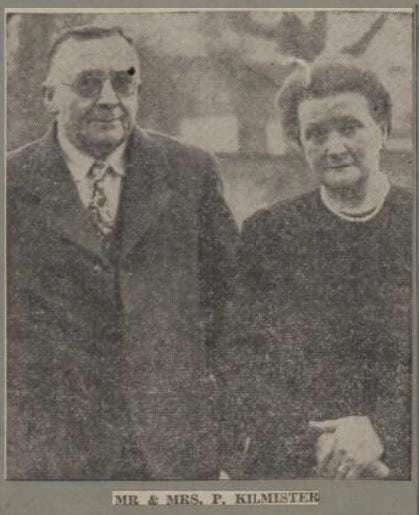
The bowls club was very successful and was still going strong in 1924, when it acquired a new pavilion. Originally an army hut, it measured 80 feet long by 20 feet wide and was provided by Flowers & Son, the pub owner, whilst the construction was largely carried out by volunteers. At that time the membership totalled 50 and the club had won the County Cup four times in its history. The Norwood Arms landlord, Mr Percy Kilmister, was the club treasurer.
Cheltenham Operatic and Dramatic Society made the Norwood Arms their home in the 1930s and used a hall at the Inn for their rehearsals. After an interruption caused by World War II, the society resumed its activities in the late 1940s.
With the outbreak of war in 1939 came a spate of accidents during the blackout at the Norwood Arms traffic island, including at least two fatalities. Also, in April 1940, a travelling van was stationed in the pub car park showing films in support of the War Savings Campaign. Among other activities, the pub collected money towards the Gloucestershire Echo Cigarette Fund for the troops. In October 1942 it was reported that Reginald Holder, a Gunner in the Royal Artillery and former bar man at the Norwood Arms, had been wounded whilst serving in the Middle East.