Just over a decade later the house accommodated Mr & Mrs Charles Thomas Deane. Mr Deane described himself as a registrar of marriages.
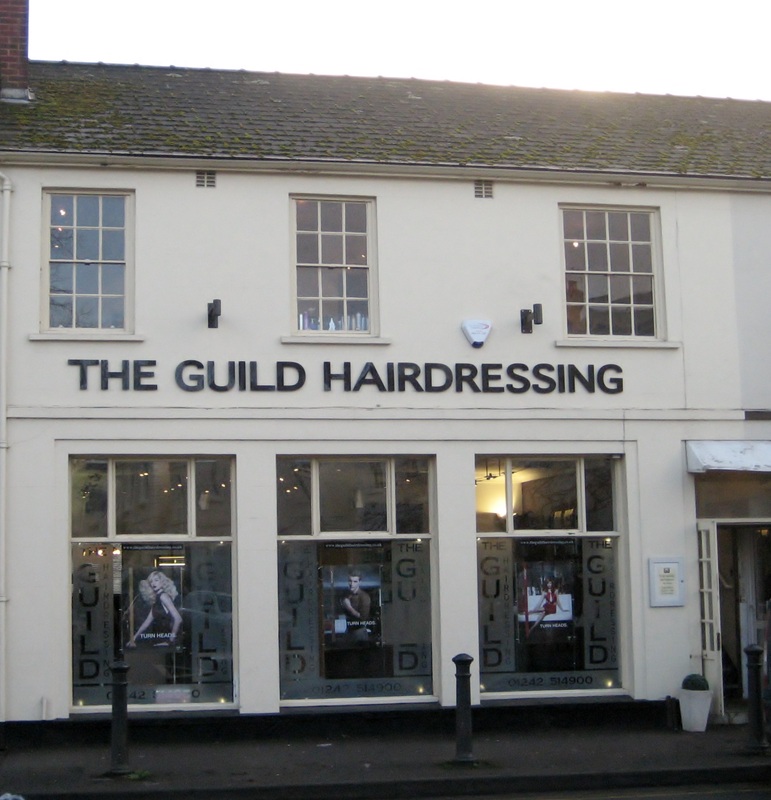
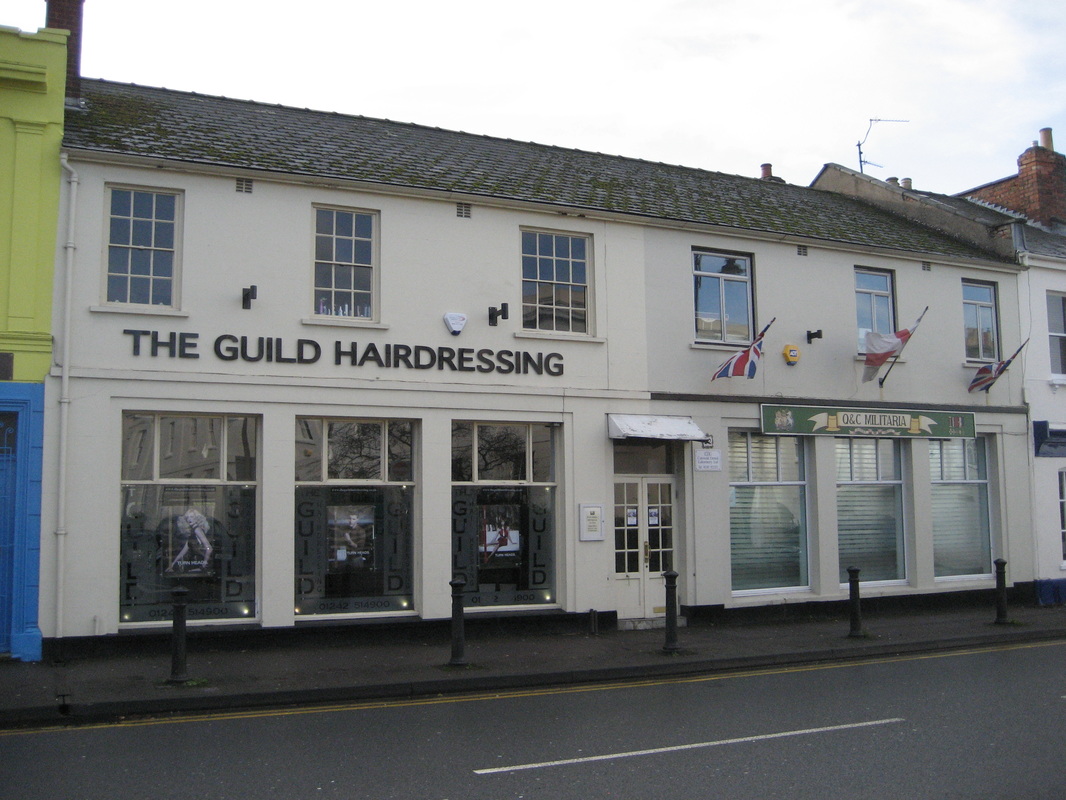
The house was bomb-damaged in WWII and later rebuilt. In 1952, and until at least 1975, both numbers 18 and 20 Suffolk Road belonged to Leckhampton Estates Ltd, Builders and Contractors, who in the later years shared number 18 with the Gloucester Association of Boys’ Clubs.
20 Suffolk Road (formerly 10 Northwick Terrace)
In 1851 this house was taken by Mr Pio Cianchettini, who had formerly lived at 11 Great Norwood Street. He was born in London in 1799, of a musical family, and when he was only 5 years old he performed a sonata of his own composition at the Opera House in London, being hailed as the “English Mozart”. Pio later became a celebrated music performer and teacher, playing the piano and conducting fashionable, popular concerts in London and at venues such as the Cheltenham Assembly Rooms and at the Montpellier Rotunda.
In Cheltenham, Pio and his wife Emma Athanasia Cianchettini had moved from Great Norwood Street to Gratton Terrace in 1847, where she sadly died two years later aged just 28. From the spring of 1851, at 10 Northwick Terrace, Pio gave instruction in singing, piano lessons, and in musical composition. He was, however, in poor health and sadly he died just a few months later, in July 1851, leaving a destitute 8 year old orphan son called Francis. Pio’s friends opened an appeal for the boy, with the aim of collecting sufficient funds to ensure he had a good education. We know that at the age of 28 Francis was married and staying as a lodger in Lancashire, where he was a timber trade clerk, but his trail ends there.
At Northwick Terrace, in 1859, another professor of music and sometime organist at St James’ church, Mr W.H. Snelling, was teaching here. Then, from before 1871, this property was home to Herbert Early, a tailor, and his wife Felicia Matilda. Mrs Early died here in 1881 but Herbert continued at this address until after 1897.
By 1907 the occupant was Charles Robert Iles, a lithographer. He was succeeded after his death at the age of 81, in 1924, by his son William Young Iles, also a lithographer, and William’s wife Annie.
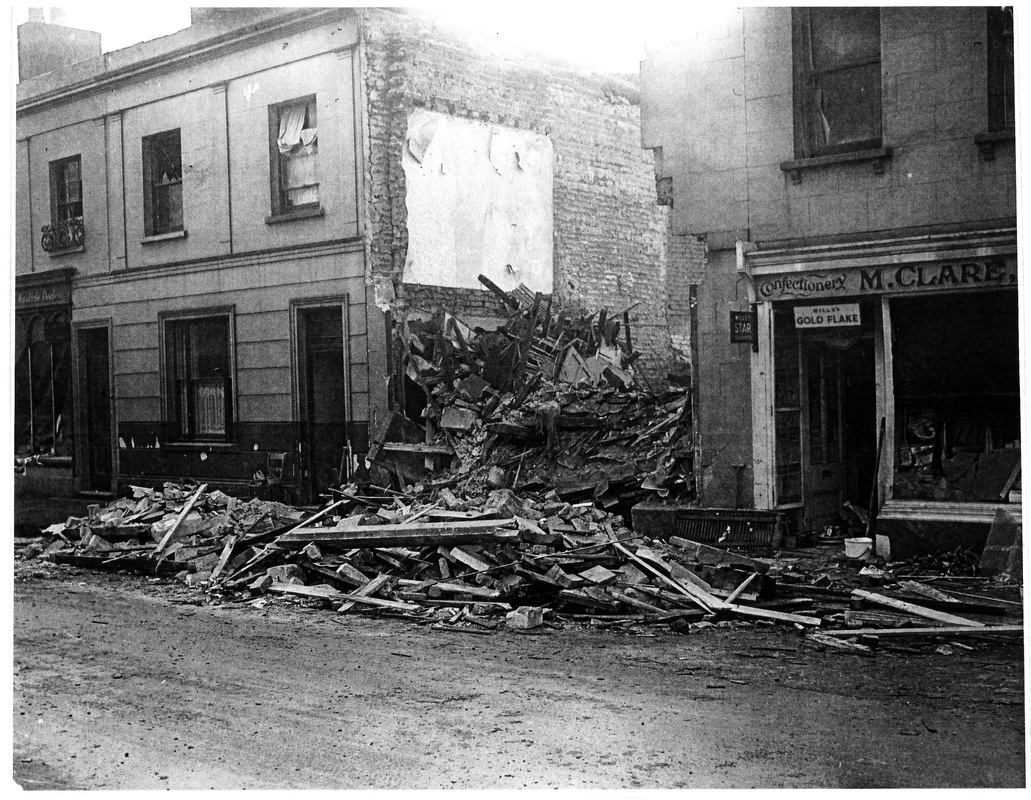
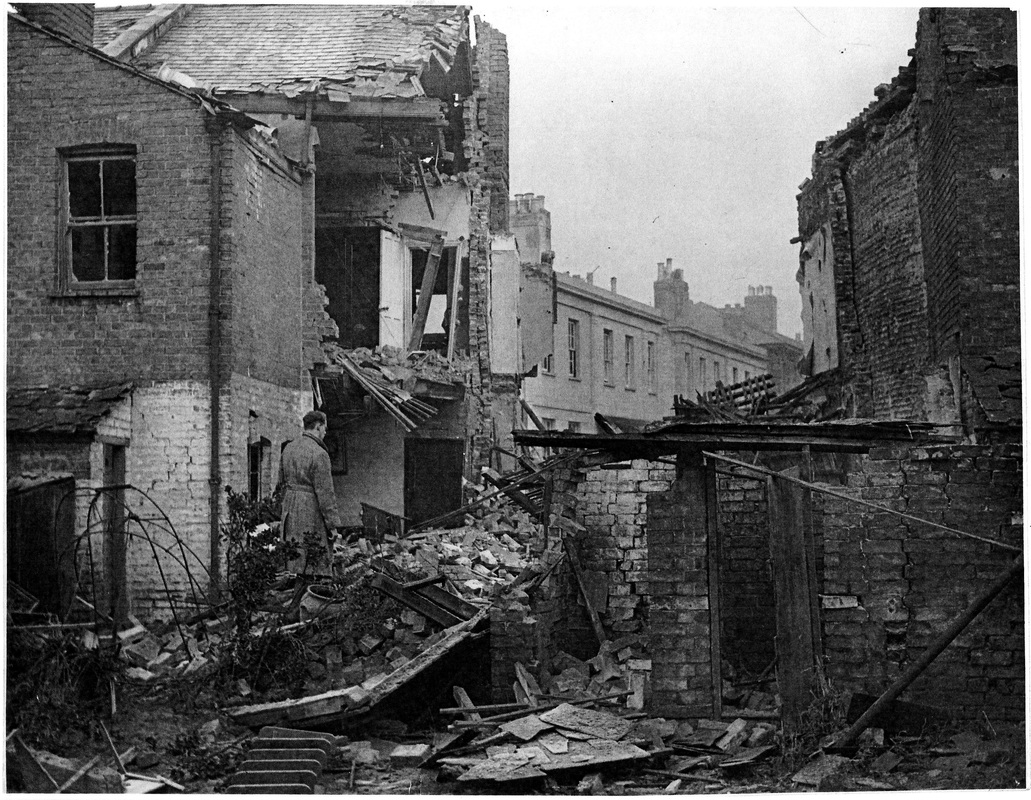
Tragically, the house was bombed, and totally destroyed, by the Luftwaffe on 11th December 1940 and Mrs Annie Elizabeth Iles, aged 55, was killed. This was one of 6 raids on the town and it was the heaviest, resulting in 23 deaths and 600 people losing their homes.
More than 100 high explosive bombs, and many incendiaries, were dropped that dark evening from 7.30pm until after midnight, by wave after wave of raiders, in a line from Pilley to the Tewkesbury Road. It was thought that the raid was intended to be upon Birmingham and that Cheltenham was hit in error. Amongst the devastation, Pilley Bridge and one of the gasometers in Gloucester Road were destroyed.
The newspapers were unable to report on air raids during the war but following the declaration of Victory in Europe, the Gloucestershire Echo, in May 1945, described the appalling events of that night as follows.
”Viewed from the centre of town the attack was an unforgettable and terrifying spectacle, with anti-aircraft guns blazing away, shrapnel exploding in the star-lit sky, and bombs crashing down with a violence that shook the whole town.”
The damaged properties either side of 20 Suffolk Road were demolished and rebuilt after the war, in a very different architectural style. The new premises were occupied by Leckhampton Estates Ltd, Builders and Contractors.